
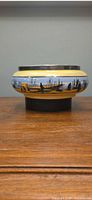
Lot #26: 1920s/30s Earthenware fruit bowl made in England
Sold for
$5.00
Time Remaining:
Closed
End time:
Thursday, February 5, 2026 at 8:06:00 PM
no questions were asked
Picking up your new treasures should be just as easy as bidding on them! For a smooth pickup experience, keep these tips in mind:
1. Double-check that you have everything from the lots you've won before you leave the pickup location.
2. For invoices over $300, you will need to show a photo ID and credit card used for purchase for verification.
3. If you have any questions at pickup you can always ask our Maxsold Team Lead or the Seller managing the pickup.
Only Available Pickup Date/Time: Sat, February 07 2026
Category A: 09:00 AM - 02:00 PM
Pickup Location: Seabrooke Drive, Ottawa, ON, K2L 2K4 View Map (opens in new window)
Bidding Starts:
Saturday, January 24, 2026 at 10:00:00 PM UTC
Bidding Ends:
Friday, February 6, 2026 between 1:00:00 AM and 1:41:00 AM UTC
See individual items for exact closing times.
Bid Date | Bid Amount |
|---|---|
Feb 5, 2026, 1:16:38 PM UTC | $5.00 |
Feb 5, 2026, 1:15:07 PM UTC | $4.00 |
Feb 5, 2026, 1:15:08 PM UTC | $4.00 |
Feb 4, 2026, 4:35:56 AM UTC | $2.00 |
Feb 3, 2026, 3:19:46 PM UTC | $1.00 |
Policies for Pickup
Pickup time windows are fixed and limited. You will be required to select a pickup window prior to the auction pickup. Please be sure to select a time slot that you are certain you will be able to attend. Alternate pickup times may or may not be accommodated and if accommodated may result in additional fees.
Claims for refunds can be made only in certain limited circumstances. Where an error in the lot description has occurred on an item you purchased, let the seller (or their representative) know immediately upon pickup so that it may be rectified. Except for limited circumstances, refunds are subject to processing fees.
Maxsold does not arrange shipping; however, you can make your own arrangements at your own risk.
Current bids cannot be changed or removed once submitted and each one is a promise that you will honour the bid and all the terms.
Auctions